Climate change, urbanisation, land degradation, and systemic interdependencies are intensifying the frequency and complexity of disasters. When natural hazards and disease outbreaks co-occur, they create cascading effects that amplify health and well-being impacts. The COVID-19 pandemic highlighted how mobility restrictions and disrupted health systems complicated disaster response, while recent events such as floods in Pakistan demonstrated how hazards can directly trigger disease outbreaks.
The scientific and operational understanding of compound, cascading, and interacting risks at the intersection of climate change, disasters, and health remains fragmented. This working group responds to this need by providing a collaborative platform for researchers, practitioners, and policymakers to co-develop knowledge and solutions.
Meet the team!
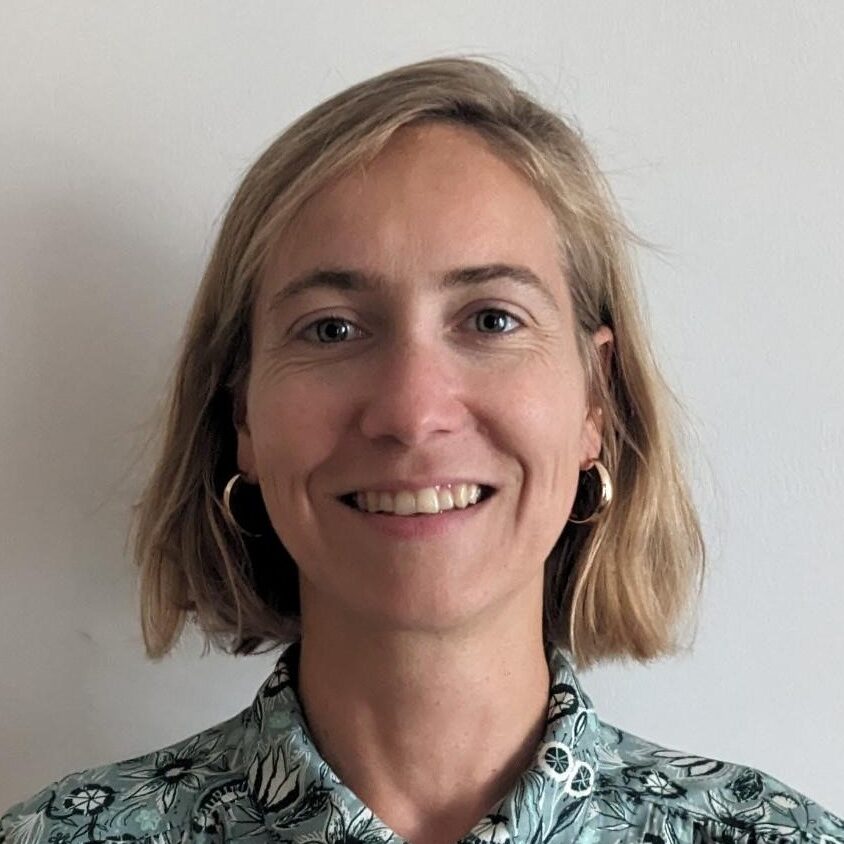
Martha Vogel
Martha Vogel is currently serving as a Climate & Health Technical Adviser to the Red Cross Red Crescent Climate Centre. Her work focuses on analyzing, synthesizing, and transferring knowledge on climate change and its (health) impacts in vulnerable regions. This includes projects on systemic heat-health risks in sub-Saharan Africa, anticipatory action for climate-sensitive infectious diseases and attribution of compound extremes and impacts. Most recently she has been working with climate storylines to explore plausible climate futures in the humanitarian context.
At UNESCO she gained experience in policy development, knowledge transfer, and climate impacts in sub-Saharan Africa.
Martha holds a Doctor of Science from the Institute for Atmospheric and Climate Science at Swiss Federal Institute of Technology in Zurich, where she received an ETH Medal for her thesis on temperature extremes in a changing climate.
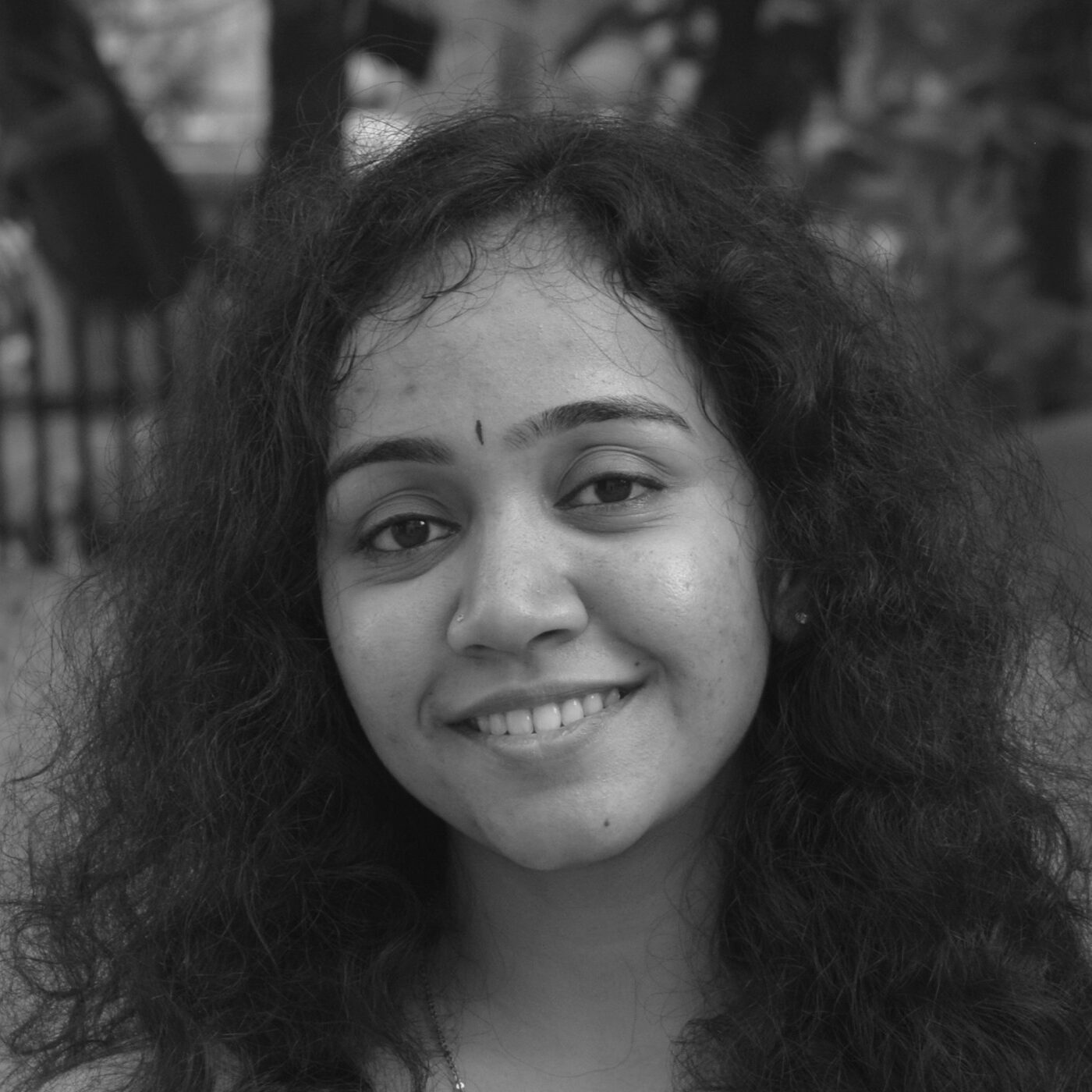
Nivedita Sairam
Dr. Nivedita Sairam is the Young Investigator’s Research Group Leader on Climate, Environment and Health at the GFZ Helmholtz Research Centre for Geosciences. Her research focuses on developing systemic, data-driven methods to quantify and manage natural disaster and climate risks. She currently serves as the Science Officer for EGU sub-division Natural Hazards and Society.
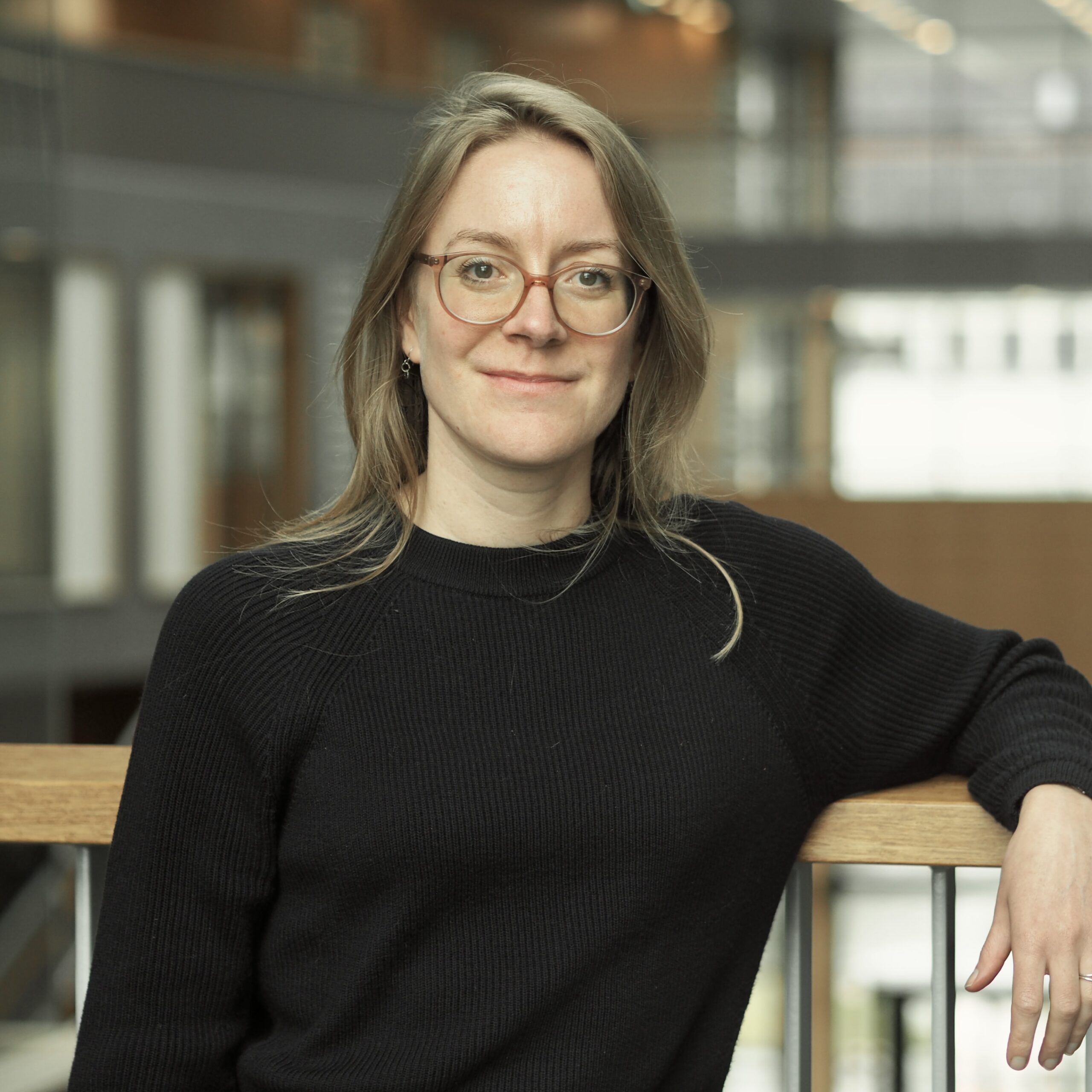
Marleen de Ruiter
Marleen de Ruiter is an Assistant Professor at the department of Water and Climate Risk of the Institute for Environmental Studies (IVM) at Vrije Universiteit Amsterdam, and she is co-chair of the RiskKAN network.
In her current research, she focuses on consecutive disasters, improving modelling capabilities of multi-hazard risk and assessing the impacts of adaptation measures on Disaster Risk Reduction. As a Veni Laureate from the Dutch Research Council’s Talent Scheme (NWO), she works on the global consecutive occurrence of consecutive disasters followed by water-borne disease outbreaks using a Dynamic Bayesian Network approach. In 2024, she was granted the EGU Natural Hazards Division Outstanding Early Career Scientist award.
She manages the EU H2020 project Myriad-EU on multi-hazard risk assessments and management, she was one of the initiators and the scientific officer of the EGU multi-hazard sub-division.
Read more
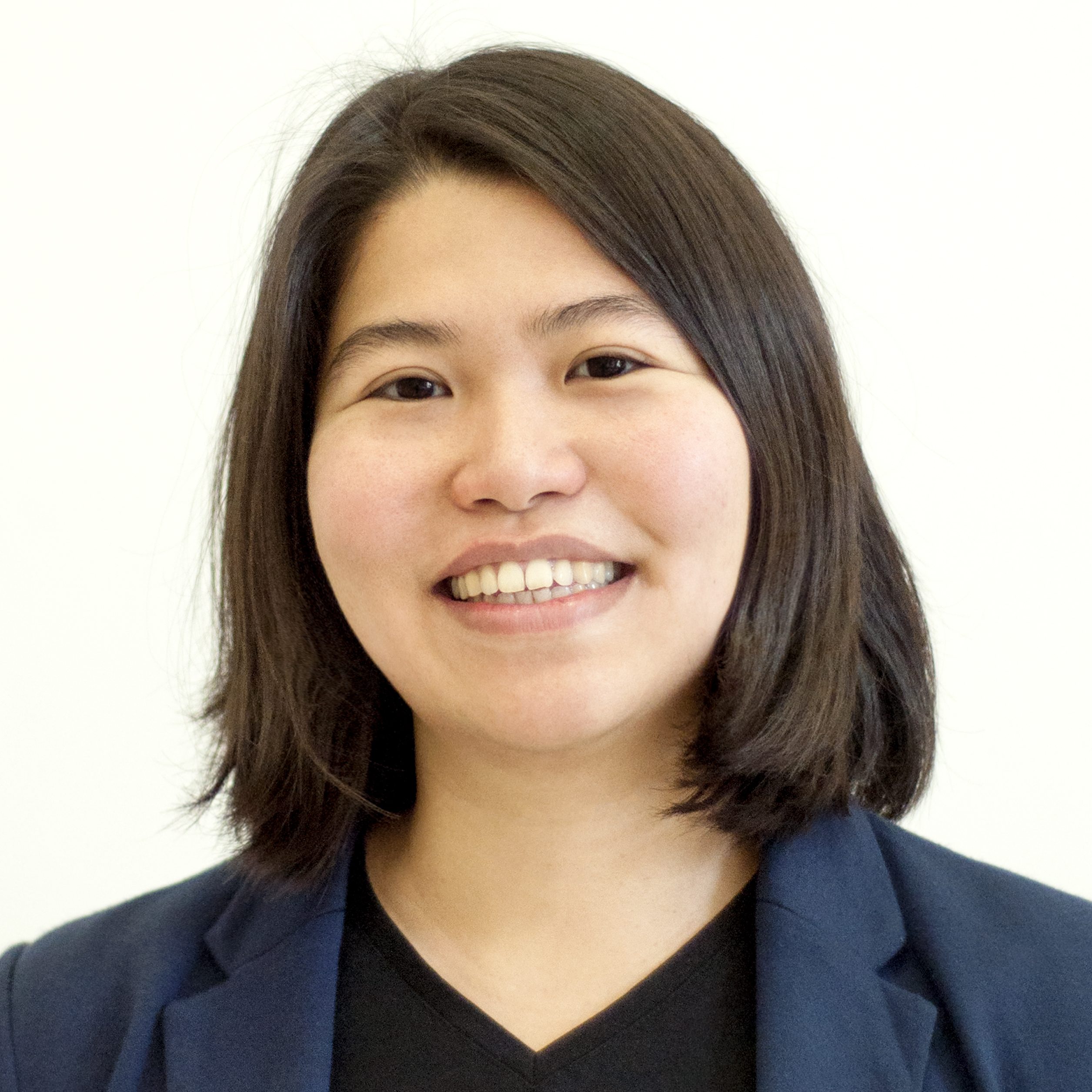
Jo-Ting Huang-Lachmann
Jo-Ting Huang-Lachmann leads the BMFTR junior research group CoCareSociety, which focuses on co-creating climate services for the care economy and caring society. Her research spans transdisciplinary topics including climate change, health, long-term care, and energy, and she is passionate about integrating disaster risk reduction and climate change adaptation into societal co-creation processes. Currently based in Hamburg at the Climate Service Center Germany (GERICS), Helmholtz-Zentrum Hereon, she brings over 15 years of experience working with cities on climate change adaptation.
Her academic background includes a Master of Science in Environmental and Energy Management from the University of Twente in the Netherlands and a Ph.D. from TU Dresden, where she specialized in climate change adaptation in cities within the Faculty of Business and Economics. Her work emphasizes co-design, co-creation, and stakeholder engagement to develop actionable climate services, aiming to bridge science and practice by fostering resilient and caring societies in the face of climate challenges.
Jo-Ting Huang-Lachmann has been involved in Risk KAN since 2018 and is passionate about working with international communities on systemic risk topics.
Working Group Updates
Upcoming events
This group meets once every two months online and consists of anyone interested in / working on bridging the topics of disasters, diseases and health. Stay tuned for the next group meeting.
Next meeting:
Webinar: 15th of July 2026
16.00-17.00 CEST
Mauricio Santo Vega (Universidad de los Andes) will present on “From Climate Variability to Disease Dynamics: Dissecting ENSO’s Role in Dengue Transmission in Colombia.”

Please consider to submit to our special issue
This special issue aims to enhance our understanding of the complex, cascading interactions between natural hazards, health systems, disease outbreaks, and societal health.
Past events
Previous meeting:
27th of May 2026
16.00-17.00 CET
Dr. Molly Gilmour (University of Cardiff) will present on “Multi-hazard household preparedness and the health component”
Previous meeting:
4th of March 2026
16.00-17.00h CET
Tilly Alcayna (Red Cross Red Crescent Climate Centre) presented on “Anticipatory Action for Health”
Previous meeting:
7th of January 2026
16.00-17.00h CET
We are very excited to welcome a talk by Dr. Yanchao Cheng. She will give a talk about the exciting work she is doing on the intersection of vector borne diseases and increasing flood and drought risk. This is part of a collaboration with Dr. Maurizio Mazzoleni and Dr. Marleen de Ruiter.
Their project develops a new modeling framework to quantify how floods and droughts impact the outbreak risk of vector-borne diseases (VBDs), focusing initially on West Nile virus (WNV) in the Netherlands under climate change. By predicting future WNV occurrence and identifying high-risk areas and vulnerable populations, we are bridging hydrological and epidemiological research to create a crucial foundation for broader European risk assessment and inform public health preparedness. The outcomes will be integrated into university courses and shared with key stakeholders like RIVM and the Red Cross to promote open science and shape future research priorities.
Email Marleen de Ruiter (m.c.de.ruiter@vu.nl) to get a link to the meeting!
Warnings for Mental Health During Climatic Extremes 🧠 ☁️
29th October 2025
15:00 – 17:00, both in person and online.
We will launch the world’s first mental health index by Rhiannon Hawkins, with panel discussants including Prof Virginia Murray, followed by a Q&A.
🔗 Click here for more details and to register!
Building Effective Health Warnings for Users: The First Mile’ with Medici con l’Africa Cuamm/ Doctors with Africa CUAMM 🦠💉
30th October 2025
14:00–18:00, UCL Campus, in-person only
We will discuss with a wide range of stakeholders on how to build effective warnings for health issues, with a focus on emergent infectious diseases (EID) via a workshop with simulations, a roundtable event, and networking opportunities.
🔗 Click here for more details and to register!