
Climate extremes, as well as natural and man-made hazards, often affect people directly, but sometimes exacerbate their impact by affecting urban environments and essential infrastructure services, including water, food, health, energy, information, security, and cultural identity.
Cities are melting pots of cultures and innovations, but also hotspots of disaster exposure and impact chains that connect cities to other urban and rural areas.
The topics of vulnerability research, as well as critical infrastructure, have driven the development of methodologies to identify and prioritise needs and capacities in dealing with risks, disasters, or transformations, including climate change-driven processes of adaptation and resilience.
Meet the team!
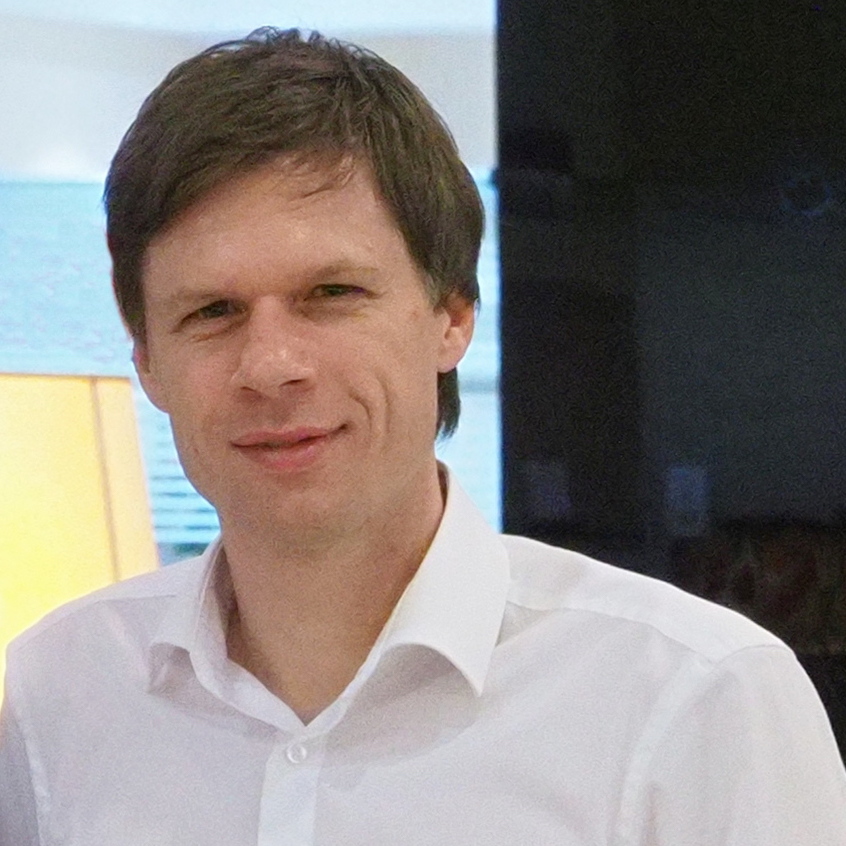
Alexander Fekete
Alexander Fekete is Professor of Risk and Crisis Management at the Cologne University of Applied Sciences. He works in the field of security research on natural hazards such as floods, earthquakes or landslides. In particular, his research focuses on their impact on affected persons, but also on power and supply chain failures. He has gained work experience at universities, the United Nations and the Federal Office of Civil Protection and Disaster Assistance.
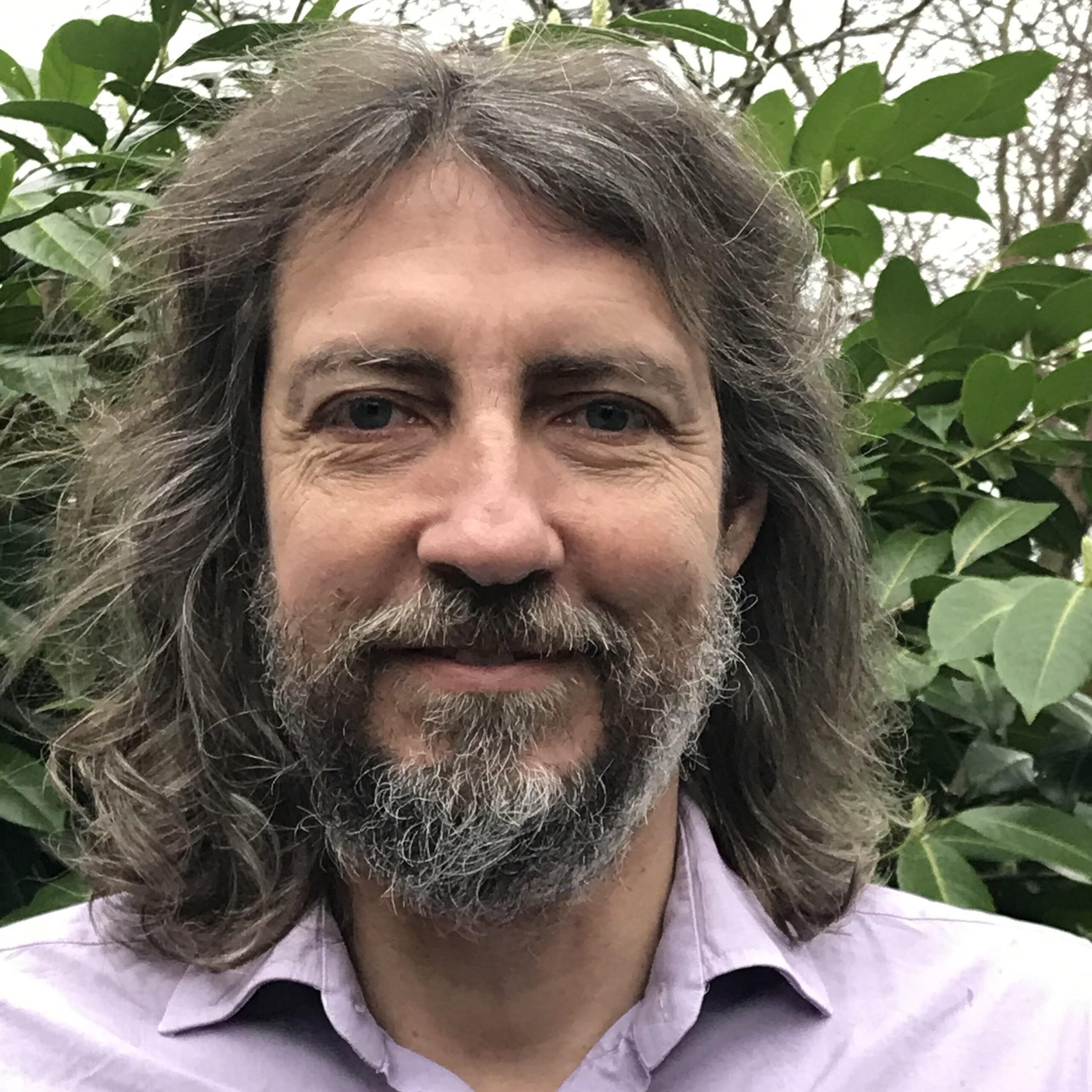
Mark Pelling
Mark Pelling is Professor of Risk and Disaster Reduction at the Department for Risk and Disaster Reduction, University College London. His research focus is on social and institutional aspects of climate change adaptation and disaster risk reduction, with a particular focus on urban places. Through more than 30 major research collaborations Mark has partnered with NGOs, universities and governments from many countries, but especially those in the Caribbean, sub-Saharan Africa, South Asia and Europe. His international service includes being an author for the Intergovernmental Panel on Climate Change urban chapters in the Fifth and Sith Assessment Reports, the Special Report on Cities and Climate Change and the Special Report on Managing the Risks of Extreme Events and Disasters to Advance Climate. He is the UK representative of the UNDRR European Science and Technology Advisory Group and a founding chair of the UK Alliance for Disaster Research.
Working Group Updates
Upcoming events
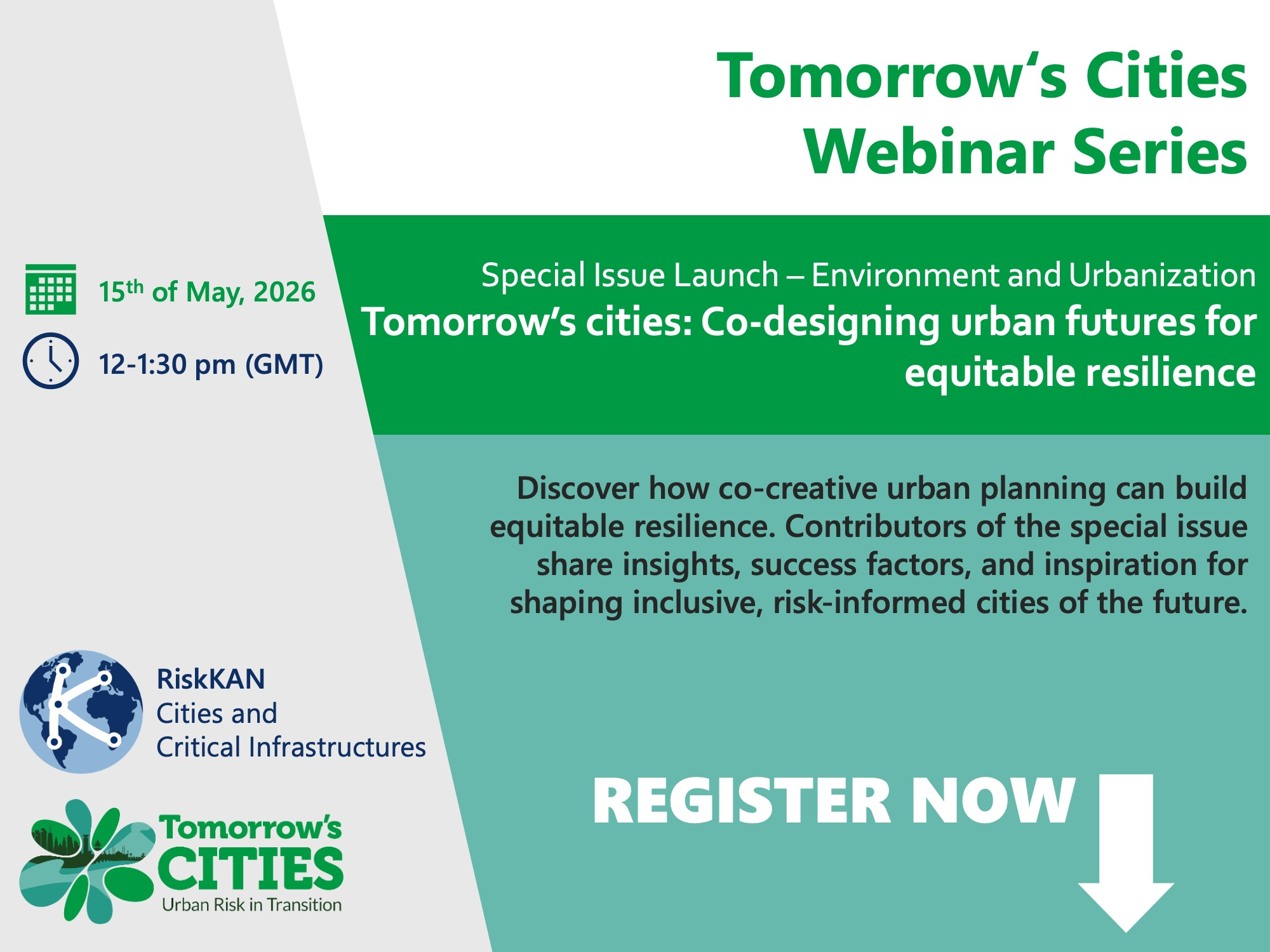
Tomorrow’s Cities – Webinar
Date: 15th of May 2026
The special issue “Tomorrow’s cities: Co-designing urban futures for equitable resilience” showcases contributions from researchers, professionals, and policymakers that apply co-creative approaches to foster risk-informed, inclusive urban shaping practices toward equitable resilience. Accompanying the release, the authors will provide insights into their articles and present success factors to foster co-produced urban planning in themed breakout rooms. In a concluding discussion, starting points for future steps will be discussed. The aim is to provide webinar participants with incentives and inspiration to address these topics for equitable resilience in their work.
This webinar is open to everyone, and we encourage people of all career stages to join the discussions.
Click here to register!
Past events
Integrating critical infrastructure and social vulnerability into spatial risk
Date: 23 September 2024
Alexander Fekete (TH Koeln), Hannes Taubenböck (DLR), Christian Geiß, Peter Priesmeier (TH Koeln)
Societal resilience and infrastructure – who is forgotten in post-disaster recovery?
Date: 17 October 2025
Alexander Fekete, Mark Pelling, Dr. Atif Bilal Aslam, Dr. Milad Zamanifa